What after hours janitorial should actually cover, and what to get in writing
Most disputes about cleaning are not about effort. They are about a scope that never said who does what, or how often.
September 1, 2026 · 3 min read
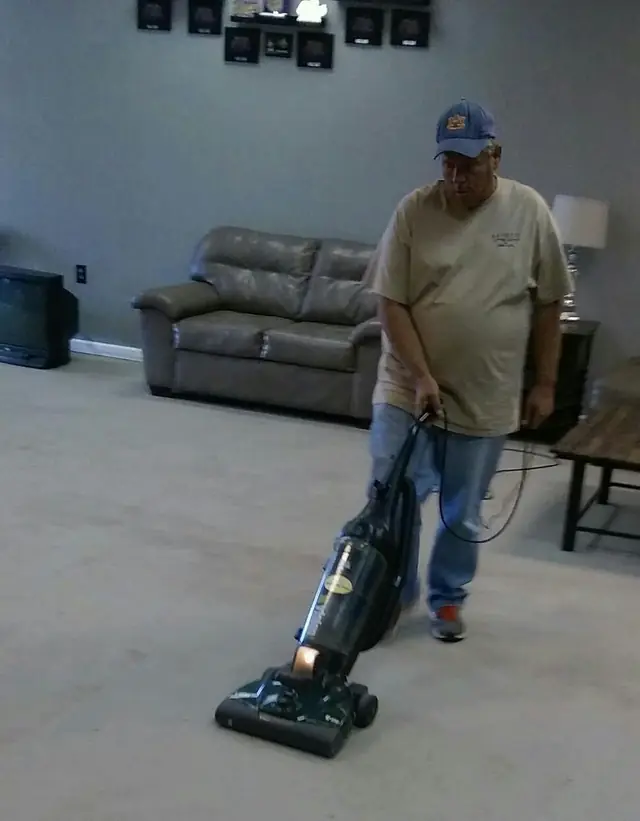
A cleaning contract goes wrong in a predictable way. The first month is excellent. By the fourth month somebody in your office is annoyed about something, and when you go back to the paperwork it turns out the paperwork never mentioned it. Nobody lied. The scope was just written loosely enough that two reasonable people read it differently.
Here is what we think belongs in a commercial cleaning agreement, whoever you end up hiring.
Frequency, per task, not per visit
A contract that says the crew attends three nights a week tells you almost nothing. Trash and bathrooms are every visit. Dusting is not. Interior glass is not. High dusting on vents and ledges is on a much longer cycle. Carpets are a separate conversation again.
Write the frequency against each task. Then when somebody asks why the blinds have not been done, the answer is on paper and it is not an argument.
The rooms people forget
Offices are easy to specify because everybody sees them. The rooms that cause trouble are the ones only some staff use.
- Breakrooms. Fridges, microwaves, sinks and the inside of cabinet doors. Decide explicitly whether the fridge interior is in scope.
- Bathrooms. Not just fixtures. Partitions, dispensers, the floor behind the door, and who supplies consumables.
- Entrances and lobbies. This is the first thing a visitor sees and it takes the most weather.
- Stairwells. Almost always left out of a first draft and almost always noticed.
- Storage and back of house. If you want it dusted, say so, because most contracts quietly exclude it.
Access, keys and alarms
After hours work only saves you disruption if the crew can actually get in without somebody from your team waiting around. Settle how the building is opened and closed, who holds keys or codes, what happens when the alarm goes off, and who the crew calls at two in the morning if something is wrong. Settle it before the first visit, not after the first incident.
Who is insured for what
Ask for licensed, bonded and insured, and ask to see it rather than take it on trust. Bonding matters because the crew is in your building alone and unsupervised. This is also worth checking against a third party rather than the contractor's own website. A Better Business Bureau rating is public and takes a minute to look up.
Supplies, equipment and who pays
Decide who provides paper, soap and liners, because it is a real running cost and it is often assumed rather than agreed. Decide the same for equipment. Floor machines, extractors and PPE should come from the contractor.
A named person to call
This is the one that matters most and the one that never makes it into the document. You want the name of a person, not a ticketing address. When something is wrong at seven in the morning before a client visit, you need somebody who can send a crew, not a form.
In our case that person is Jeana, who runs our office, and the number is on every page of this site. We are reachable twenty four hours a day and we do same day work when it is genuinely needed. That is not a marketing line, it is how a service business in a small market has to run if it wants to still be here in thirty years.
One more thing worth agreeing
Agree how the contract gets reviewed. Buildings change. A team grows, a floor gets converted, a shift pattern moves. A scope written for the building you had two years ago will slowly stop matching the building you have now, and the drift is what people mistake for a drop in standards.
If you want a second opinion on a scope you have already been sent, we are happy to read it and tell you what is missing, whether or not you hire us. Estimates are free across the Tennessee Valley.
Rainey's Cleaning Service & Lawn Care, (256) 227-2986
Call (256) 227-2986More articles
Strip and wax, or burnish? How to tell what your floor actually needs
The wrong call costs you either a weekend of downtime you did not need, or a floor that keeps getting worse.
Post construction cleaning: the things that get missed after the builders leave
Construction dust does not settle once. It settles, gets disturbed, and settles again, which is why one clean is rarely one clean.